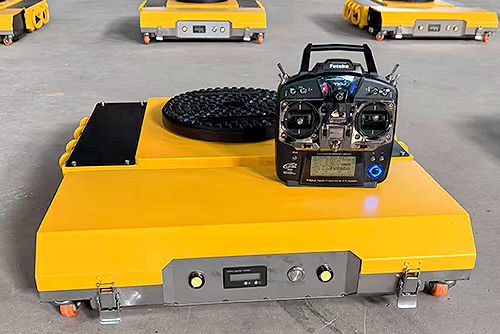
Daily care and precautions for remote-controlled electric transport tanks are crucial for ensuring long-term stable operation and extending the lifespan of the equipment. The following are specific care and precautions:
I. Daily Care:
(A) Cleaning and Maintenance
1. Regularly clean dust, oil, and debris from the tank surface and steel wheels to avoid affecting operation.
2. Wipe the equipment with a clean, soft cloth, avoiding water or corrosive liquids from entering electrical components.
(B) Wheel Inspection:
1. Check for wear or deformation of the steel wheels and replace damaged wheels promptly.
2. Ensure the wheels rotate freely without jamming.
(C) Battery Maintenance:
1. Regularly check the battery level to avoid over-discharge.
2. When not in use for extended periods, maintain the battery level at approximately 50% and charge it periodically.
3. Clean the battery contacts to prevent poor contact.
(D) Electrical System Inspection:
1. Check that the remote control, motor, wiring, and other electrical components are functioning properly.
2. Replace or repair promptly if aging or damage is found in the wiring.
(V) Lubrication and Maintenance:
1. Regularly lubricate rotating parts (such as bearings and axles) to reduce wear.
2. Use a suitable lubricant, avoiding excessive use which can lead to dust accumulation.
(VI) Fastener Inspection: Regularly check screws, nuts, and other fasteners for looseness and tighten them promptly.
II. Precautions:
(I) Operating Procedures
1. Strictly follow the instruction manual and avoid overloading (e.g., exceeding the rated load of 20 or 30 tons).
2. When operating remotely, ensure a clear view and avoid collisions with obstacles.
(II) Environmental Adaptability
1. Avoid use in humid, high-temperature, or corrosive environments to prevent equipment damage.
2. When working on uneven ground, pay attention to speed control and ensure stability.
(III) Safety Protection
1. Wear safety equipment such as gloves and safety shoes during operation.
2. Ensure no one is around when the equipment is running to avoid accidental injury. (IV) Troubleshooting
1. If any abnormality is detected (such as unusual noises or unstable operation), immediately stop the machine for inspection. Resume use only after troubleshooting.
2. Non-professionals should not disassemble or repair the equipment.
(V) Storage and Maintenance
1. When not in use for extended periods, store the equipment in a dry, well-ventilated environment.
2. Avoid placing heavy objects on the equipment to prevent deformation or damage.
July 20th, 2026